
Agilis
.png)
The challenge: Needs for prosthetics in humanitarian contexts
80% of people in need of prosthetic limbs live in developing regions – but only about 5-10% have access to them?
If people with amputations in developing or vulnerable contexts have access prosthetic limbs, they are able to earn a living, contribute to society and lead active lives. Humanitarian organizations like the International Committee of the Red Cross (ICRC) work to address the problem of access with inexpensive prosthetics and training to use them. But available options present problems. They are either:
- Not adapted: High-tech carbon fibre prostheses available in developed regions are dynamic and offer excellent mobility, but are highly expensive and fragile.
- Limited in impact on peoples’ lives: Robust, low-cost prosthesis usually used in developing regions are very basic and rigid, and wear out rapidly in harsh conditions.
Our Adapted Solution: Prosthetics that combine affordability with agility
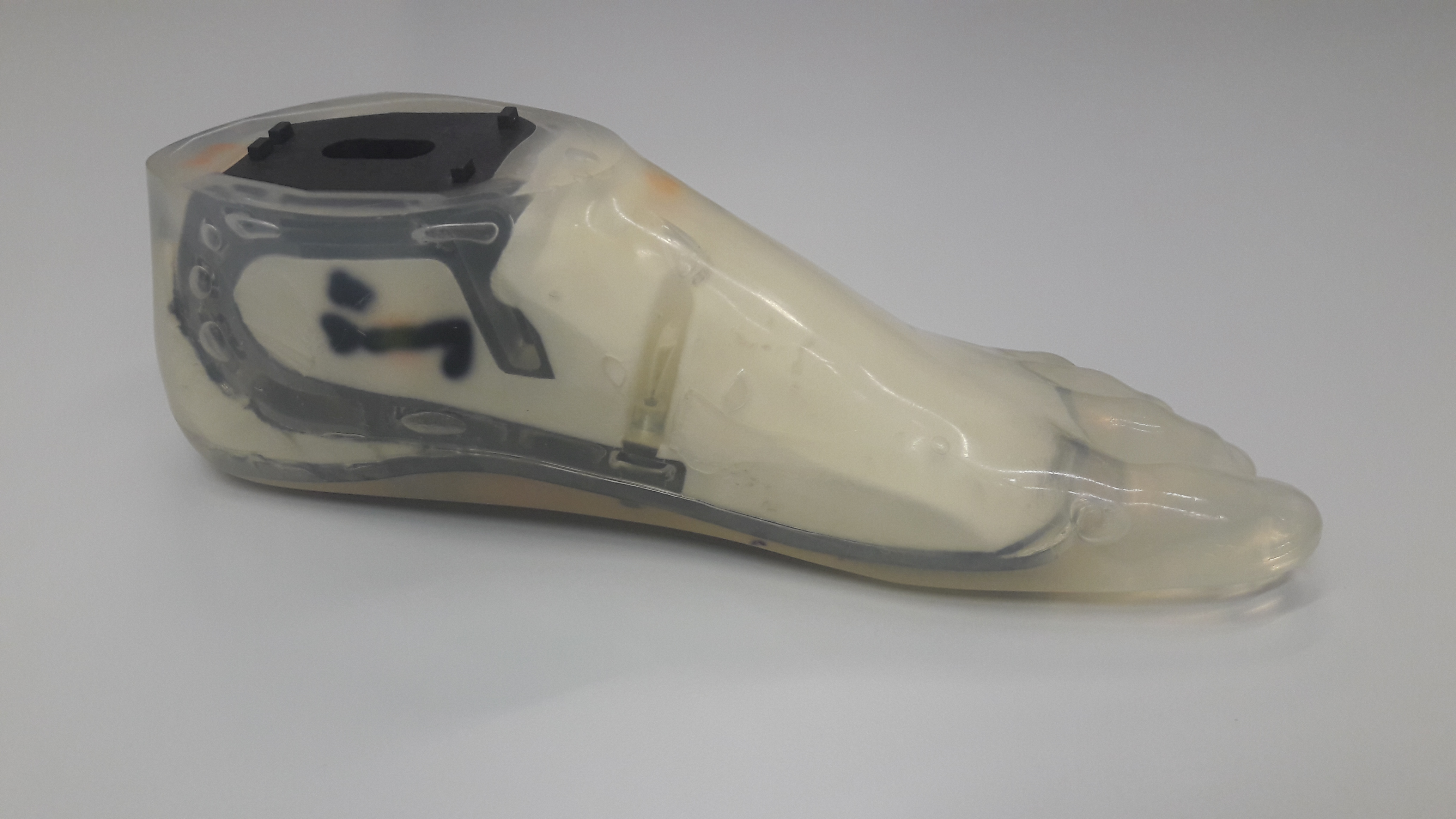
The ICRC asked EPFL to help create an affordable, yet dynamic and robust prosthetic foot. Working with EPFL labs, we used our methodology to design an alternative adapted to humanitarian contexts.
The solution considers the context of use and a solution that would be universally accessible. This includes the person’s needs for mobility as well as their physical environment and how it impacts the lifecycle of the limb. The Agilis prosthetic foot is:
- Robust and aesthetic
- Dynamic: increased biomechanical capabilities
- Affordable: 40x cheaper than existing carbon-fiber-based solutions
Agilis prosthetic foot project status
Today the patented Agilis foot is being deployed in the field by the ICRC, enabling people with amputations to live active, dynamic lives.
Former Project/Programme Managers: Grégoire Castella
For more information, please contact Klaus Schönenberger, Solomzi Makohliso or Grégoire Castella
Image credits: Adobe, ICRC, Mathieu Janier, EPFL, EssentialTech




Integrated Settlement Planning