
T4D Sustainable tarpaulins for emergency shelter
Transforming agricultural residues into biodegradable polyester for tarpaulins.

Location : Bangladesh
Problem
Plastic tarpaulins are the most basic, fast, and efficient solution to provide basic emergency shelter in humanitarian crises. It is a quick impact solution, which saves lives, but such excessive use of plastic significantly impacts the local environment.
Challenge
What alternative shelter products (tarpaulins) made with environment friendly materials, which are recyclable or ideally biodegradable could be used?
Solution
Developed a disruptive technology to convert agriculture residues to polyester, which is 100% bio-based and fully bio-degradable. The objective is to close a circular bio-economy loop by transforming locally under-utilized wastes into tarpaulins.
Impact
- Environmental Impact: Conversion of local waste into biodegradable polyester, promoting sustainability.
- Local Waste Utilization: Use of Bangladeshi agricultural waste to support circular bio-economy practices.
- Collaborative Research: Partnership led to key discoveries in polymer selection and material development.
- Knowledge Sharing: Valuable insights on feedstock and potential applications for other industries.


Gallery
No items found.
Projects managers
No items found.
Publication & Media
More projects

T4D Computational Design for Resilient Shelters
Flood-resistant shelters using sustainable materials to improve housing in flood-prone areas
Sustainable Development
Ongoing
Flood-resilient housing, climate-adaptive shelters, South Sudan, disaster-resilient infrastructure, humanitarian shelter innovation, low-cost resilient construction, locally sourced materials, vernacular construction systems, modular shelter design, resource-efficient building, sustainable construction, climate-resilient development, flood adaptation solutions, community-based design, participatory construction approach, local capacity building, skills development, community resilience, disaster risk reduction, scalable adaptation model
Topics
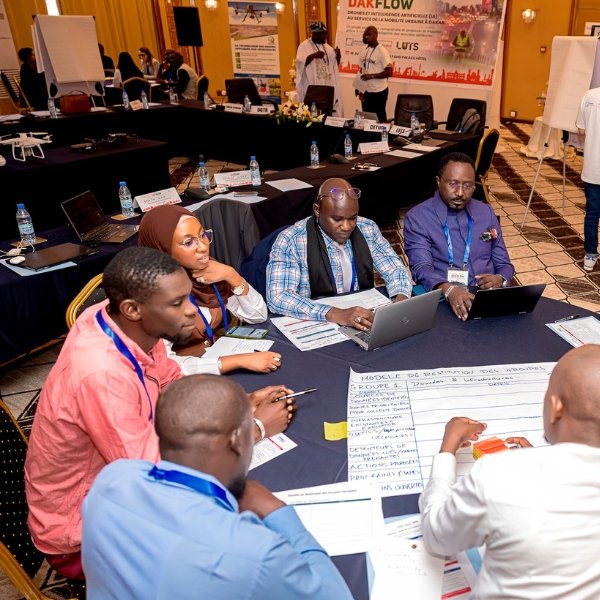
T4D DAKFLOW Drone-Based Traffic Monitoring
Drone and AI-based traffic data for smarter mobility planning in Dakar
Sustainable Development
Ongoing
Urban mobility Dakar, traffic congestion Dakar, sustainable urban mobility Africa, mobility data Senegal, AI mobility analytics, drone traffic monitoring, geospatial mobility data, data-driven urban planning, smart city Dakar, transport planning Senegal, congestion management Africa, multimodal traffic data, urban transport data integration, open mobility data platforms, inclusive urban mobility, road safety data analysis, CO2 emissions reduction cities, air quality urban transport, climate-resilient cities, digital urban infrastructure, smart mobility solutions, Global South urban innovation, evidence-based mobility planning, informal transport systems Africa, capacity building local institutions, SDG 11 sustainable cities, urban mobility innovation Global South
Topics
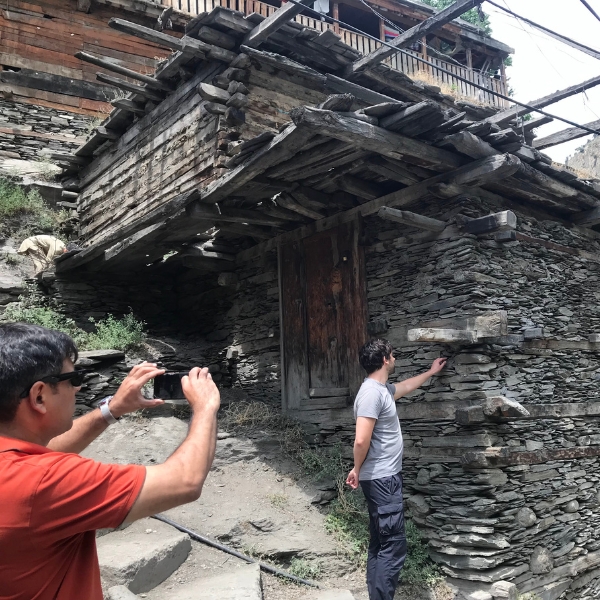
T4D Safer traditional houses
Building on tradition: Optimizing dry stone masonry for earthquake resistance in Pakistan
Sustainable Development
Ongoing
seismic resistant housing typologies earthquake construction, earthquake-resistant housing Pakistan, seismic resilience homes, safe housing solutions developing countries, affordable earthquake-resistant homes, sustainable construction Pakistan, low-cost resilient housing, seismic risk mitigation housing, local building materials construction, timber scarcity construction alternatives, reinforced adobe stone houses, resilient housing Global South, disaster-resilient architecture, community-based housing design, inclusive housing solutions, culturally adapted housing design, climate-resilient housing, housing reconstruction innovation, local capacity building construction, mason training earthquake-safe building, sustainable building materials, reduced timber construction methods, healthy housing conditions, ventilation and indoor comfort housing, post-disaster housing solutions, scalable housing models developing countries, housing resilience Nepal Afghanistan Peru
Topics