By clicking “Accept All Cookies”, you agree to the storing of cookies on your device to enhance site navigation, analyze site usage, and assist in our marketing efforts. View our Privacy Policy for more information.
Programme

T4D Sustainable 3D Printing for Peace
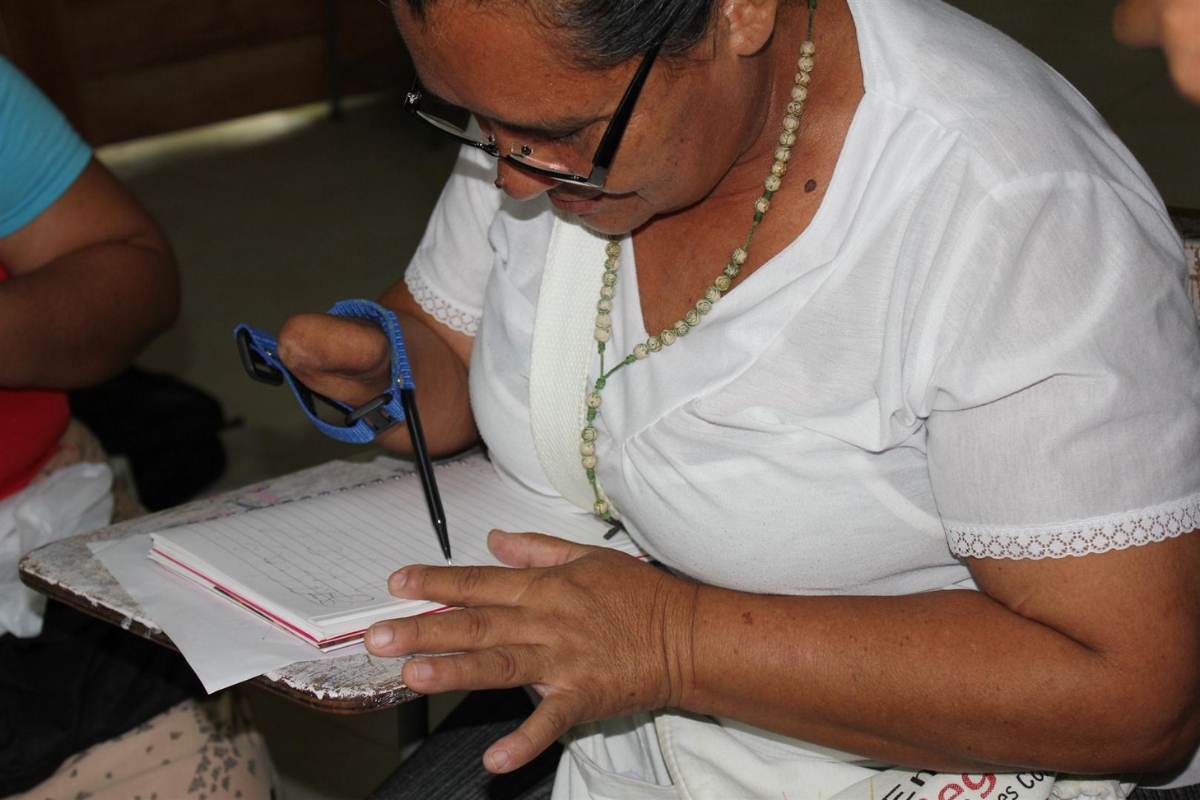
Sustainable 3D Printed Assistive Devices for Disabled People.
Location : Colombia

Problem

Colombia, the second most landmine-affected country after Afghanistan, faces significant challenges due to 50 years of conflict with the FARC. This has resulted in widespread injury, disability, and trauma. Currently, 3 million Colombians live with disabilities, but 90% lack access to assistive devices. Less than 5% of disabled youth receive an education, and 27% of disabled adults have never used the internet. Most disability equipment is imported and unaffordable, with no coverage by health insurance.

Challenge

How to create robust, high-quality devices with limited waste management infrastructure, while fostering businesses that offer environmental (waste management) and social (supporting disabled people, job creation) benefits?

Solution

The project is to develop and implement low-cost and sustainable 3D printed composite assistive devices in local Colombian communities for disabled people, based on plastics and natural fiber wastes.

Impact

  • Expands access to affordable assistive devices for people with disabilities through low-cost 3D printing.
  • Reduces environmental footprint by integrating recycled materials into device production.
  • Generates local employment and builds technical skills, supporting inclusive economic development.
  • Ensures long-term impact through a growing open database of assistive devices and strong NGO partnerships.

Team members

  • Prof. Véronique Michaud, EPFL Associate Professor, Laboratory for Processing of Advanced Composites
  • Joanne Vaucher, EPFL Research Engineer and project manager
  • Nicholas Myers, Omnis Institute (NGO) project coordinator
  • Alicia Porras, Universidad de Los Andes Associate Professor
  • Felipe Betancur, Founder Fundacion Todos Podemos Ayudar
Gallery
No items found.
Projects managers
No items found.
Publication & Media
More projects

T4D Computational Design for Resilient Shelters
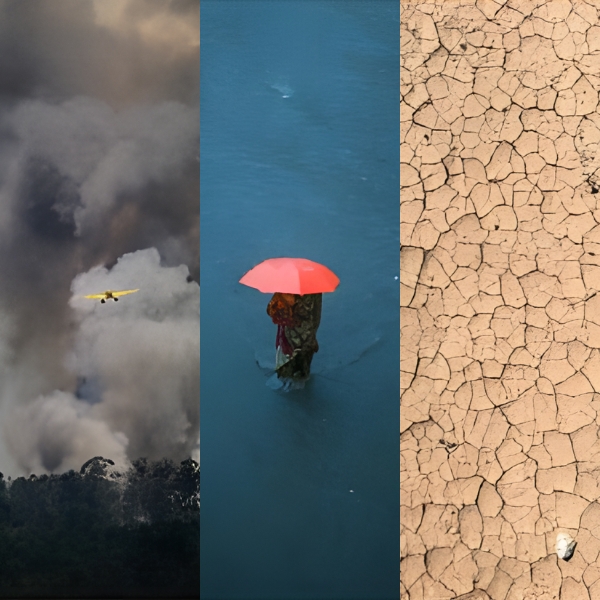
Flood-resistant shelters using sustainable materials to improve housing in flood-prone areas
Sustainable Development
Ongoing
Flood-resilient housing, climate-adaptive shelters, South Sudan, disaster-resilient infrastructure, humanitarian shelter innovation, low-cost resilient construction, locally sourced materials, vernacular construction systems, modular shelter design, resource-efficient building, sustainable construction, climate-resilient development, flood adaptation solutions, community-based design, participatory construction approach, local capacity building, skills development, community resilience, disaster risk reduction, scalable adaptation model
Topics

T4D DAKFLOW Drone-Based Traffic Monitoring

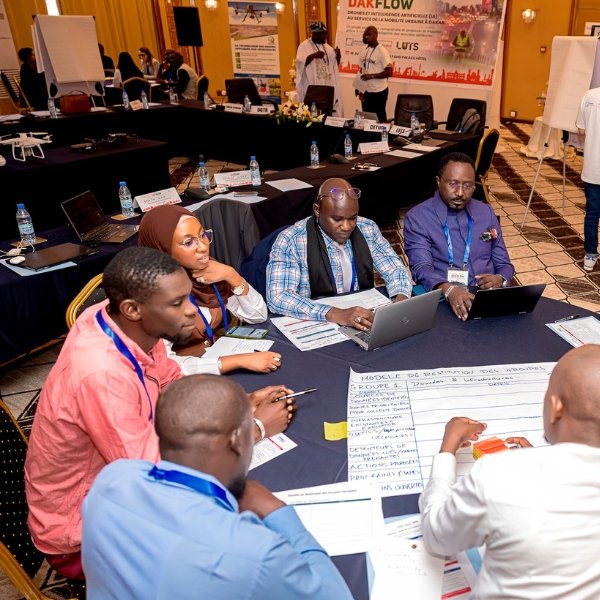
Drone and AI-based traffic data for smarter mobility planning in Dakar
Sustainable Development
Ongoing
Urban mobility Dakar, traffic congestion Dakar, sustainable urban mobility Africa, mobility data Senegal, AI mobility analytics, drone traffic monitoring, geospatial mobility data, data-driven urban planning, smart city Dakar, transport planning Senegal, congestion management Africa, multimodal traffic data, urban transport data integration, open mobility data platforms, inclusive urban mobility, road safety data analysis, CO2 emissions reduction cities, air quality urban transport, climate-resilient cities, digital urban infrastructure, smart mobility solutions, Global South urban innovation, evidence-based mobility planning, informal transport systems Africa, capacity building local institutions, SDG 11 sustainable cities, urban mobility innovation Global South
Topics